

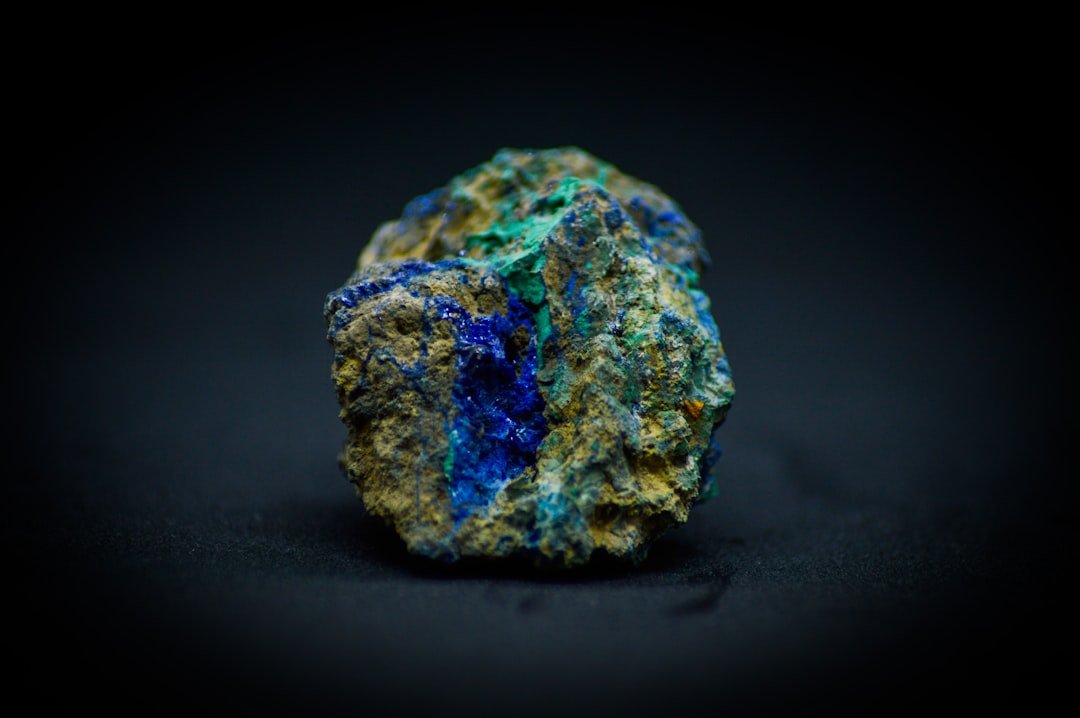
What the study found: Raman spectroscopy could distinguish some natural gemstones from synthetic gemstones, and the laboratory instrument was able to determine origin for gems of the same colour. The portable Raman system could separate different stone types, but it was less sensitive than the laboratory instrument.
Why the authors say this matters: The authors say the work is relevant because synthetic gemstones are increasingly hard to tell apart from natural ones, and they describe Raman spectroscopy as a useful non-destructive tool with short measurement times and no sample preparation. They also state that the study is aimed at supporting the integrity of the international gemstone market.
What the researchers tested: The paper reviews the use of Raman spectroscopy in gemology using a laboratory Raman spectrometer with 532 nm and 780 nm lasers and a portable Raman system with a 785 nm laser. The focus was on major commercial gemstones: ruby, sapphire, emerald, and spinel.
What worked and what didn't: Repetitive measurements under identical instrumental conditions confirmed the reliability of the results, with Raman bands at the correct wavenumber positions within a ±5 cm-1 range compared with literature values. The laboratory spectrometer was capable of differentiating natural and synthetic gemstones, and a choice of two lasers was useful because emerald analysis was only possible with the 532 nm laser. The portable system could distinguish different stone types, but it could not distinguish natural from synthetic gemstones.
What to keep in mind: The abstract does not describe detailed limitations beyond the portable system being less sensitive than the laboratory instrument. The summary provided here is limited to the gemstones and instruments named in the abstract.
Key points
- Raman spectroscopy distinguished natural from synthetic gemstones in the laboratory setting.
- The laboratory instrument could determine origin for gems of the same colour.
- The portable Raman system separated different stone types but could not distinguish natural from synthetic gemstones.
- Emerald analysis was only possible with the 532 nm laser.
- Repetitive measurements matched literature values within a ±5 cm-1 range.
Disclosure
- Research title:
- Raman spectroscopy distinguished some natural and synthetic gemstones
- Image credit:
- Photo by Richard Multimedia on Unsplash
Get the weekly research newsletter
Stay current with peer-reviewed research without reading academic papers — one filtered digest, every Friday.