

What the study found
Multimodal data fusion in orthodontics was described as having notable clinical value. The review reports that it supports precise orthodontic treatment, dynamic monitoring, outcome evaluation, and interdisciplinary collaboration in oral care.
Why the authors say this matters
The authors conclude that multimodal data fusion can address the limits of single-modal data by giving clinicians more comprehensive and accurate diagnostic information. They also say it can help create standardized data platforms that improve collaboration among orthodontists, oral surgeons, prosthodontists, and other specialists.
What the researchers tested
The paper is a review of contemporary clinical literature on multimodal data fusion technology in orthodontics. The authors searched PubMed and Web of Science and summarized how this technology has been applied in orthodontic diagnosis, treatment, and multidisciplinary care.
What worked and what didn't
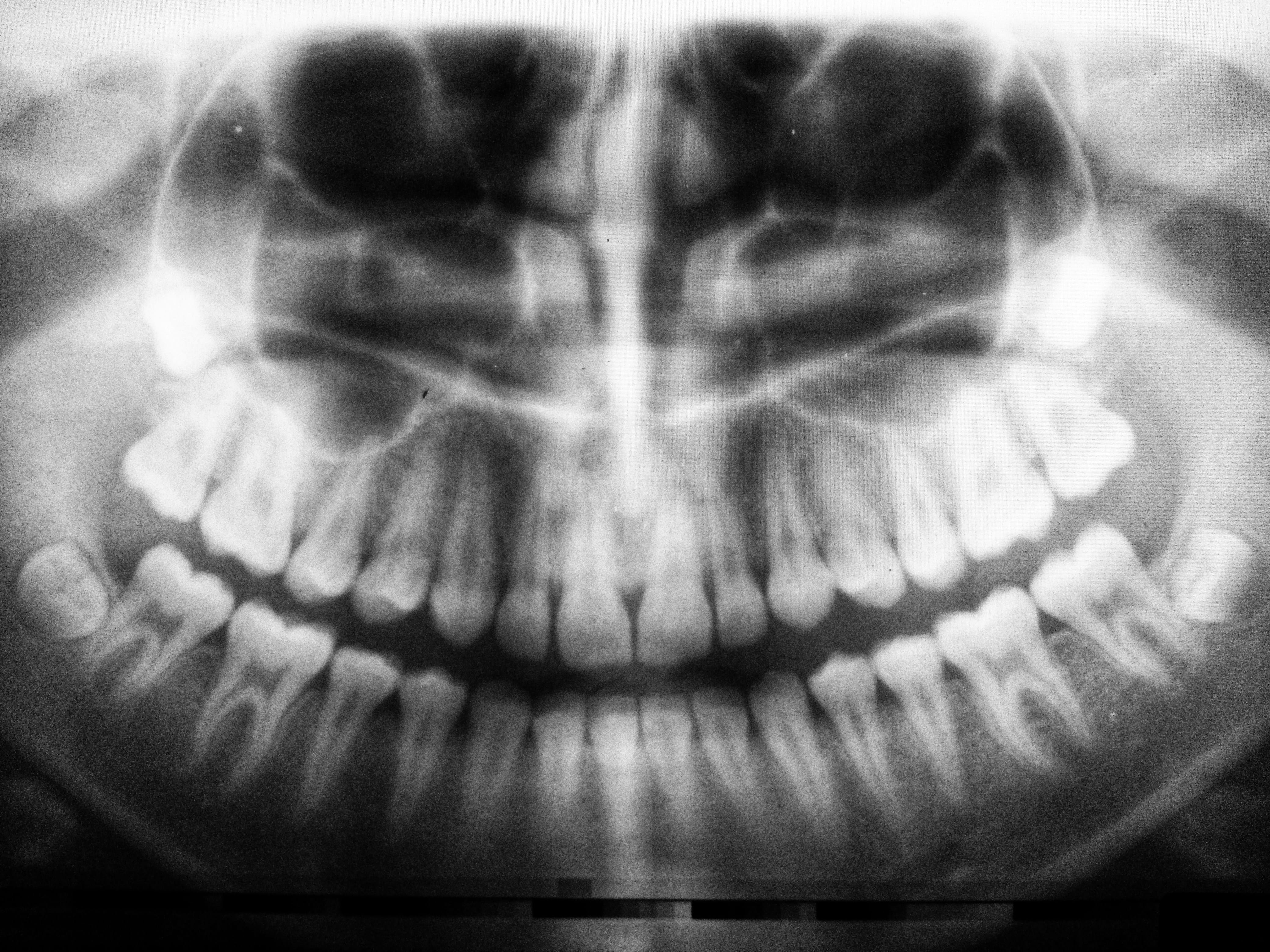
The review identified eight commonly used types of modal data in orthodontics, each with different characteristics. It says multimodal data fusion technologies have been widely applied and have shown significant application value, with progress also noted in multidisciplinary collaborative treatment.
What to keep in mind
The abstract does not provide detailed study limitations or a numerical assessment of effect sizes. It says future work should improve fusion accuracy and incorporate more types of dynamic data.
Key points
- The review found eight commonly used types of modal data in orthodontics.
- The authors report that multimodal data fusion has been widely applied in orthodontic diagnosis and treatment.
- The study says this approach supports dynamic treatment monitoring and outcome evaluation.
- The authors note progress in multidisciplinary care involving orthodontics, oral surgery, and prosthodontics.
- Future work should improve fusion accuracy and include more dynamic data, according to the abstract.
Disclosure
- Research title:
- Multimodal imaging supports orthodontic diagnosis and collaborative oral care
- Authors:
- Yuqian Feng, Yifan Jia, Linhe Lv, Xiaoxi Wei, Min Hu
- Institutions:
- Jilin University, Stomatology Hospital
- Publication date:
- 2026-04-02
- OpenAlex record:
- View
Get the weekly research newsletter
Stay current with peer-reviewed research without reading academic papers — one filtered digest, every Friday.