

What the study found
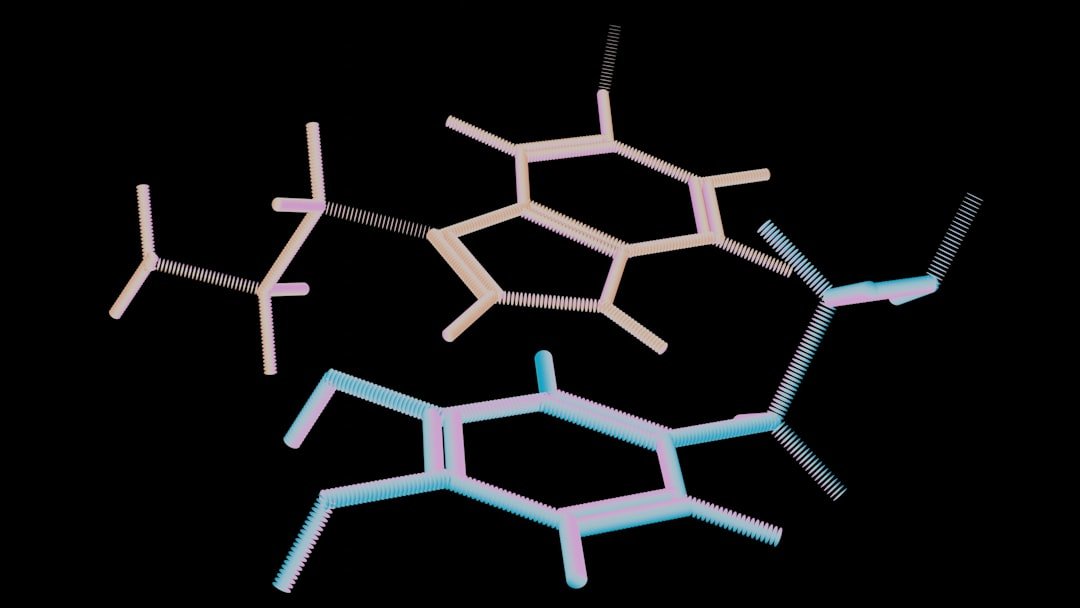
The study found that N-benzyltryptamine derivatives show distinct structure-affinity/activity relationships at serotonin 5-HT2 receptors. The authors report that meta-substitution on the N-benzyl group was favorable, while para-substitution was unfavorable.
Why the authors say this matters
The authors note that serotonin 5-HT2 receptor ligands have long been of interest for several possible uses, and they state that N-benzyltryptamines have received little attention as potential psychedelic 5-HT2A ligands or as leads for agents for cognitive disorders, substance abuse, or depression. The study suggests these compounds may be relevant for that broader line of research.
What the researchers tested
The researchers synthesized two parallel sets of compounds: 22 tryptamine derivatives and 22 5-methoxytryptamine derivatives. Each set carried different unsubstituted and ortho-, meta-, or para-substituted N-benzyl groups, and the compounds were assayed under identical conditions for affinity and potency at serotonin 5-HT2A, 5-HT2B, and 5-HT2C receptors.
What worked and what didn't
The authors report that the data were suitable for QSAR analysis, which showed favorable effects of meta-substitution and unfavorable effects of para-substitution on the benzyl moiety. They attribute these effects to beneficial van der Waals forces in the meta position and steric clashes for para substituents.
What to keep in mind
The abstract does not describe broader biological outcomes, clinical testing, or limitations beyond the receptor assays and QSAR analysis. The conclusions are based on compounds tested under identical conditions at 5-HT2 receptor subtypes.
Key points
- Meta-substitution on the N-benzyl group was reported as favorable.
- Para-substitution on the N-benzyl group was reported as unfavorable.
- The study tested 44 compounds in total: 22 tryptamines and 22 5-methoxytryptamines.
- Affinity and potency were measured at 5-HT2A, 5-HT2B, and 5-HT2C receptors.
- QSAR analysis suggested van der Waals effects for meta substituents and steric clashes for para substituents.
Disclosure
- Research title:
- N-benzyl substitution shapes 5-HT2 receptor binding and activity
Get the weekly research newsletter
Stay current with peer-reviewed research without reading academic papers — one filtered digest, every Friday.