

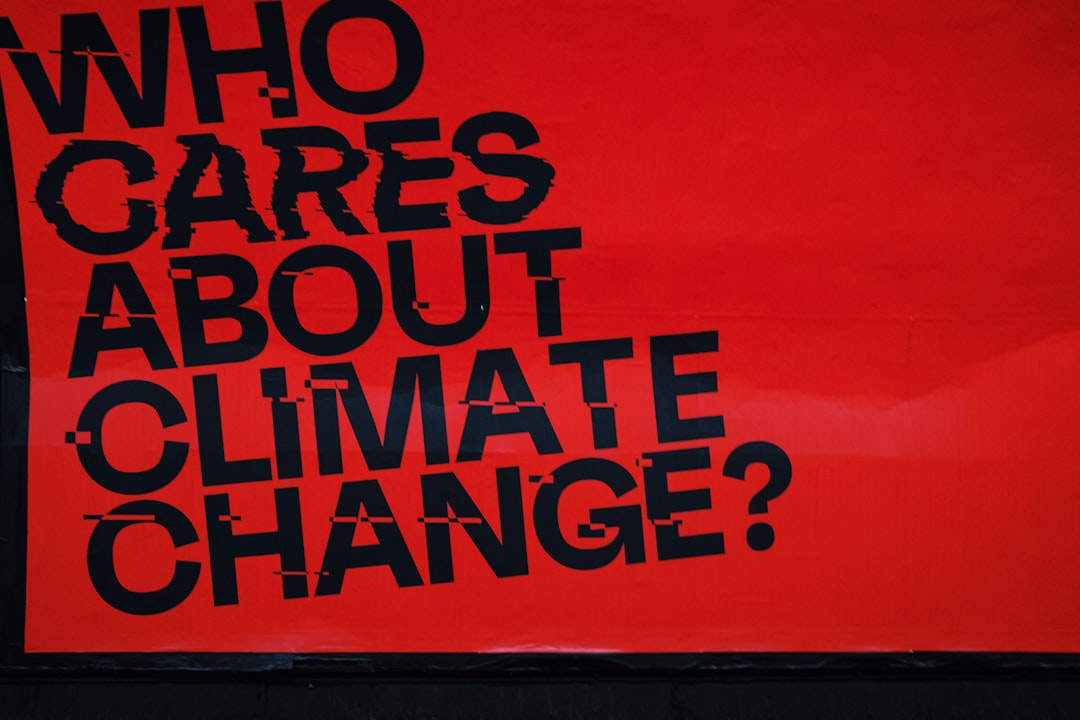
What the study found: The volume argues that masculinities are connected to environmental change, with particular attention to hegemonic masculinities, meaning dominant forms of masculinity. It describes how these masculinities are performed and reproduced under conditions of climate change, often alongside racial and gender inequalities and unequal power relations.
Why the authors say this matters: The authors suggest this matters because masculine roles, identities, and practices shape human relationships with the more-than-human world, meaning the wider environment beyond humans. They present the collection as a way to better understand these connections across different settings.
What the researchers tested: Drawing on ecofeminist theory, environmental politics, and queer theory and ecology, the volume brings together essays that examine masculinities and environmental change. The contributors include scholars, academics, artists, and activists, and they consider cases from central Africa, Central America, the USA, and Japan.
What worked and what didn't: The essays reveal the making and negotiating of masculinities in different cultural and economic settings. The abstract says these masculinities are often reproduced in ways that perpetuate racial and gender inequalities and unequal power relations, but it does not provide detailed results for individual essays.
What to keep in mind: This is a collection of essays rather than a single empirical study, so the abstract gives a broad overview rather than itemized findings. The available summary does not describe specific limitations or methods for each contribution.
Key points
- The volume links masculinities, especially hegemonic masculinities, with environmental change.
- It says these masculinities are performed and reproduced under climate change conditions.
- The collection highlights racial and gender inequalities and unequal power relations.
- Cases are drawn from central Africa, Central America, the USA, and Japan.
- The abstract does not give detailed findings for each essay or specific limitations.
Disclosure
- Research title:
- Masculinities are linked to environmental change
- Image credit:
- Photo by Samuel Regan-Asante on Unsplash
Get the weekly research newsletter
Stay current with peer-reviewed research without reading academic papers — one filtered digest, every Friday.