

What the study found
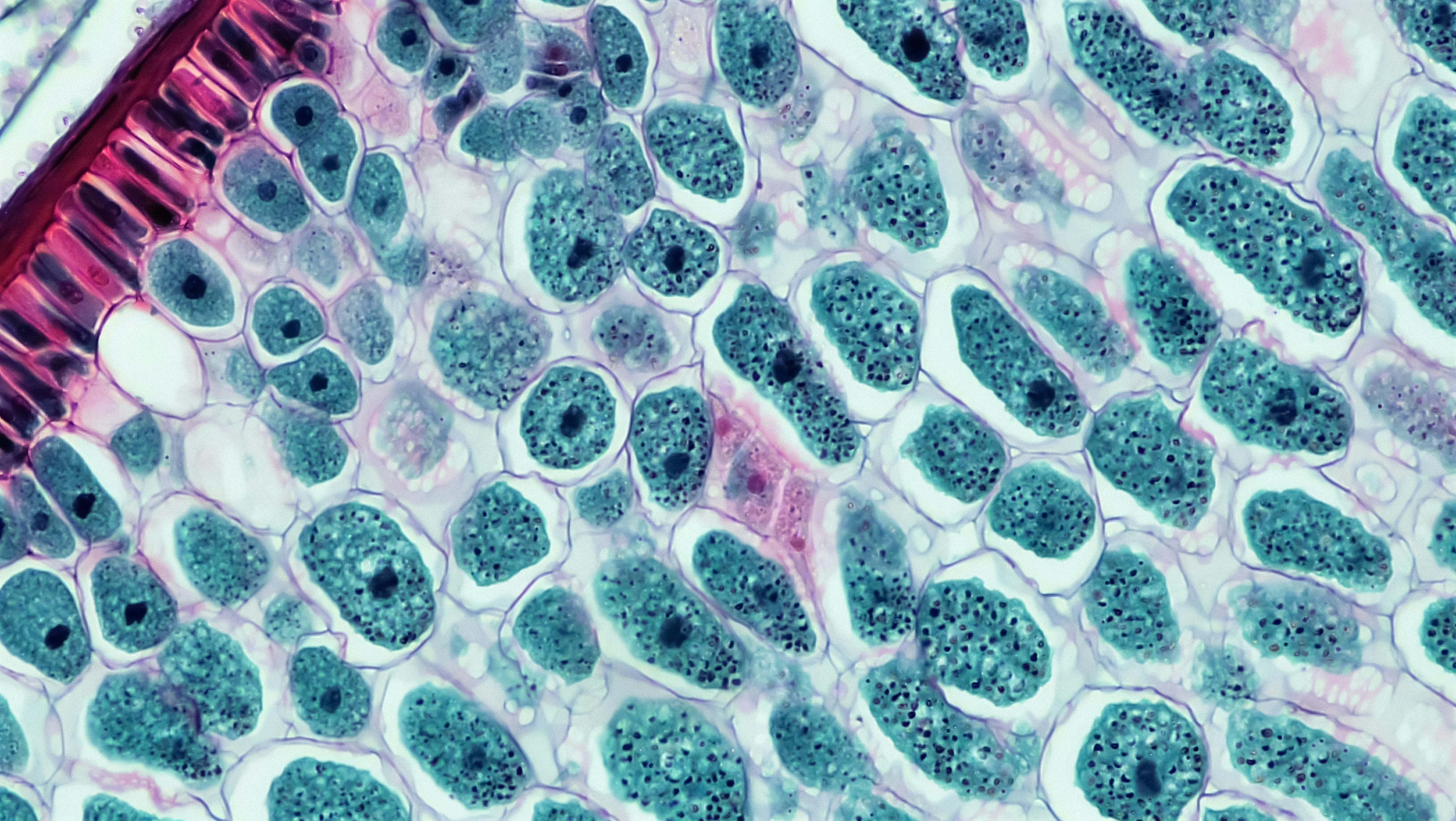
This review highlights five histone post-translational modifications that are affected by the cell cycle during embryogenesis of Caenorhabditis elegans: H4K20me1, H3S10ph, H4S1ph, H2AS1ph, and H3T118ph.
Why the authors say this matters
The authors say these marks are important because they are well documented in the C. elegans literature and are discussed in the context of the mitotic cell cycle, where DNA is replicated and chromosomes are segregated.
What the researchers tested
The paper is a comparative review. The authors compare published information on histone modifications during embryogenesis in C. elegans, focusing on the mitotic cell cycle and the five specific marks named in the abstract.
What worked and what didn't
The abstract does not describe an experiment with success or failure. Instead, it states that the five listed histone modifications are specifically highlighted and are well documented in the C. elegans literature.
What to keep in mind
This is a review, so the abstract does not present new experimental results. The available summary does not give additional limitations beyond its focus on embryogenesis, the mitotic cell cycle, and the five named histone marks.
Key points
- The review focuses on five histone post-translational modifications: H4K20me1, H3S10ph, H4S1ph, H2AS1ph, and H3T118ph.
- These marks are discussed in relation to the mitotic cell cycle during C. elegans embryogenesis.
- The authors describe the paper as a comparative review of published literature.
- The abstract says the highlighted marks are well documented in the C. elegans literature.
- No new experimental results or limitations are described in the abstract.
Disclosure
- Research title:
- Review highlights histone marks in C. elegans embryonic cell cycle
- Authors:
- Anati Alyaa Azhar, Hector Mendoza
- Institutions:
- University of Michigan, Loyola University Chicago
- Publication date:
- 2026-02-27
- OpenAlex record:
- View
Get the weekly research newsletter
Stay current with peer-reviewed research without reading academic papers — one filtered digest, every Friday.