

What the study found
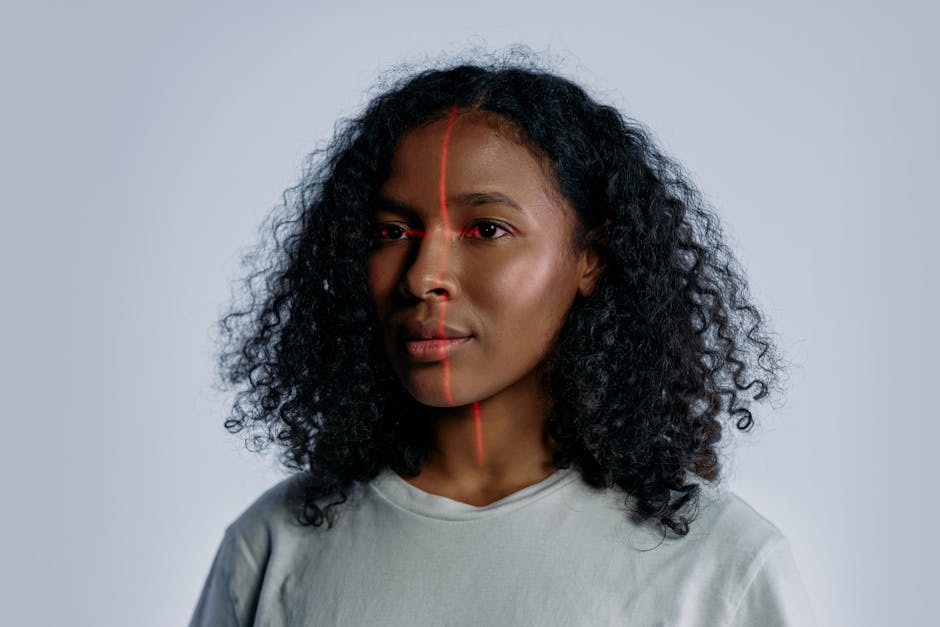
Public discourse on facial recognition in the European Union and the United States shifted over time from security-focused framing toward ethical concerns. The study found that human rights and privacy frames became more common, and the debate became gradually less centered on security.
Why the authors say this matters
The authors conclude that this desecuritisation, meaning a move away from treating facial recognition mainly as a security issue, and the spread of competing frames shaped which forms of regulation were seen as feasible, necessary, and legitimate. They say this challenged certain applications of AI surveillance and influenced US state-level facial recognition policies as well as EU legislation such as the GDPR and the AI Act.
What the researchers tested
The researchers used complex systems theory and framing theory to study public discourse on facial recognition in the EU and the United States. They conducted a discourse network analysis of statements from 2000 to 2022.
What worked and what didn't
The analysis shows that facial recognition was initially framed by governments, especially after 9/11, as a legitimate solution to security problems. Over time, those earlier frames were increasingly contested, while ethical, human rights, and privacy frames gained ground; the abstract reports this as a gradual shift in the discourse.
What to keep in mind
The abstract does not describe specific limitations of the study. Its claims are based on the public discourse it analyzed and on the two cases mentioned: the EU and the United States.
Key points
- Facial recognition was first framed mainly as a security solution, especially after 9/11.
- The dominant discourse later shifted toward ethical, human rights, and privacy concerns.
- The authors describe this change as a gradual desecuritisation of the debate.
- They say this discursive shift influenced which regulations were seen as feasible, necessary, and legitimate.
- The study analyzes public statements in the EU and the United States from 2000 to 2022.
Disclosure
- Research title:
- Facial recognition discourse shifted from security to ethics
- Image credit:
- Photo by cottonbro studio on Pexels
Get the weekly research newsletter
Stay current with peer-reviewed research without reading academic papers — one filtered digest, every Friday.