

What the study found
A selected lung transplant recipient reached the summit of Mount Aconcagua at 6,962 m without supplemental oxygen and completed the ascent and descent without adverse clinical events. The abstract also states that this was, to the authors' knowledge, the highest reported altitude reached after lung transplantation.
Why the authors say this matters
The authors suggest that selected patients after lung transplantation can tolerate and physiologically adapt to high-altitude exposure when gradual ascent is preceded by normobaric hypoxic preacclimatization, which is simulated low-oxygen exposure at home. They also conclude that this may allow high-altitude exposure without severe altitude-related complications.
What the researchers tested
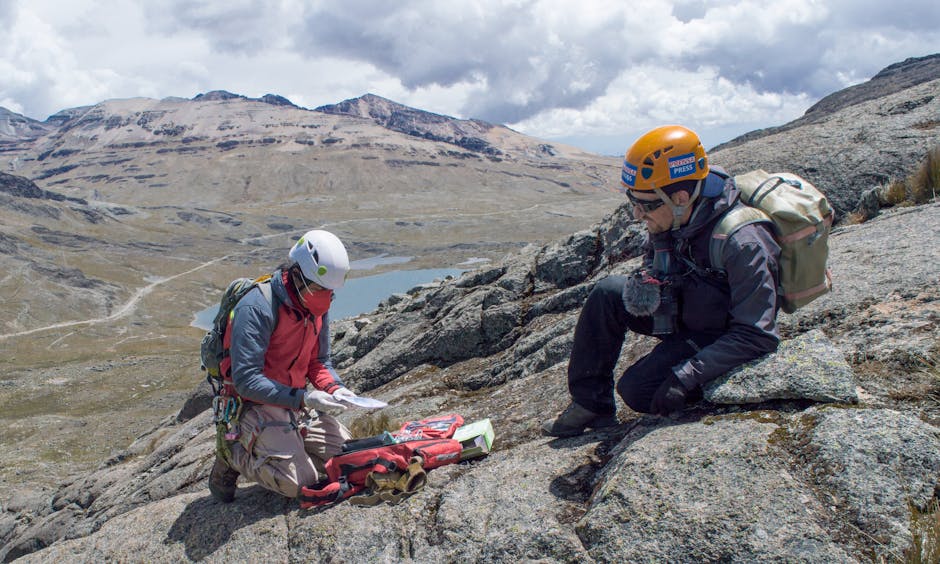
The team included nine transplanted patients in an international medical expedition to Mount Aconcagua in January 2026, including eight lung transplant recipients and one liver transplant recipient. Candidates were selected using lung function and spiroergometry, and all participants completed at least 200 hours of home-based hypoxic conditioning before departure. During the expedition, heart rate, peripheral oxygen saturation, and daily Lake Louise Acute Mountain Sickness (AMS) scores were monitored.
What worked and what didn't
One 51-year-old male lung transplant recipient successfully reached the summit without supplemental oxygen. He had only mild to moderate AMS symptoms, with no observed high-altitude pulmonary edema (HAPE) or high-altitude cerebral edema (HACE), and his ascent and descent were completed without adverse clinical events. His resting oxygen saturation declined with altitude, while heart rate stayed relatively stable.
What to keep in mind
The abstract describes a single successful lung transplant recipient in a carefully selected expedition, so the findings are limited in scope. It does not provide comparative data showing whether hypoxic conditioning was necessary or how other participants fared at the summit level, beyond the statement that the selected patients tolerated high-altitude exposure.
Key points
- A lung transplant recipient reached 6,962 m on Mount Aconcagua without supplemental oxygen.
- The ascent and descent were completed without adverse clinical events.
- The participant had mild to moderate acute mountain sickness symptoms, with no HAPE or HACE observed.
- Before the expedition, he completed 311 hours of home-based hypoxic conditioning over 36 days.
- The authors say this was the highest reported altitude reached after lung transplantation.
Disclosure
- Research title:
- A lung transplant recipient reached 6,962 m without supplemental oxygen
- Image credit:
- Photo by Roman Apaza on Pexels
Get the weekly research newsletter
Stay current with peer-reviewed research without reading academic papers — one filtered digest, every Friday.