

What the study found
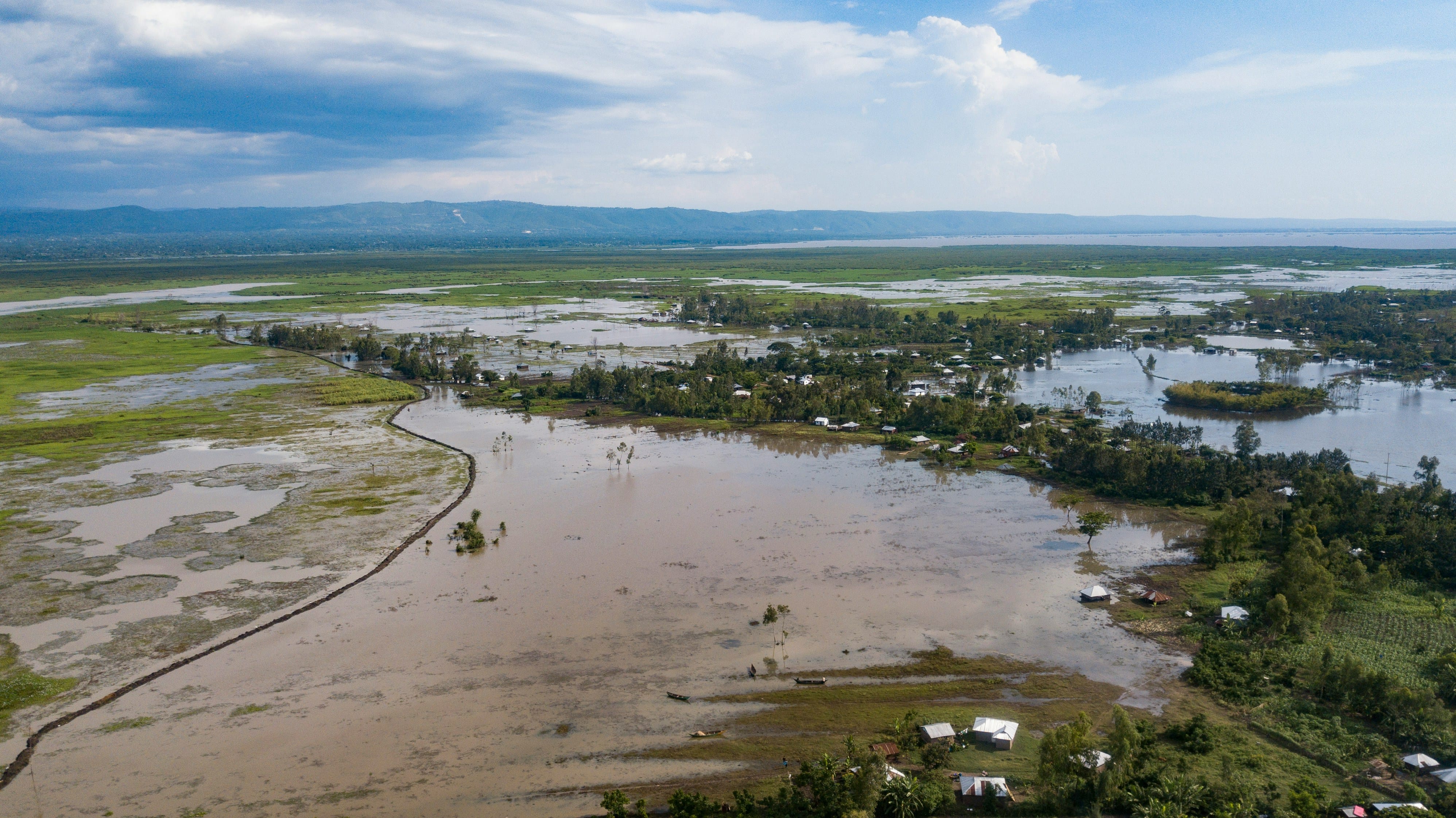
A 2022–2023 mega-flood in the southern Murray-Darling Basin contributed a large share of the study-period flow and nutrient export. The event was associated with higher nutrient peaks and concentrations, especially at downstream sites.
What the authors say this matters
The authors conclude that more frequent climate-driven mega-floods may lead to proportionally larger nutrient loads and longer periods of degraded water quality. They also say the magnitude of nutrient export depends on antecedent catchment conditions and the availability of transport-ready nutrient stores.
What the researchers tested
The researchers examined Total Nitrogen, Total Phosphorus, and Dissolved Organic Carbon across six major flow events from 2011 to 2014, plus the 2022–2023 mega-flood. They used statistical analysis and hysteresis analysis at three study sites spanning upper to lower parts of the southern Murray-Darling Basin.
What worked and what didn't
The mega-flood accounted for over 30% of the total flow and about 18% of Total Nitrogen yield and 20% of Total Phosphorus yield over the full study period. Nutrient concentrations showed distinct counter-clockwise hysteresis during the mega-flood recession, with higher values on the falling limb of the hydrograph, while the upstream headwater site showed weak clockwise hysteresis.
What to keep in mind
The abstract notes that nutrient export varied with antecedent catchment conditions and the amount of nutrient material available for transport, which can differ substantially between flood events. No other limitations are described in the available summary.
Key points
- The 2022–2023 mega-flood contributed over 30% of total flow in the study period.
- It accounted for about 18% of Total Nitrogen yield and 20% of Total Phosphorus yield.
- Nutrient concentrations were higher at downstream sites during the mega-flood.
- The mega-flood showed counter-clockwise hysteresis, suggesting delayed release from floodplains.
- The upstream headwater site showed weak clockwise hysteresis, linked in the abstract to rapid hillslope-driven mobilisation.
Disclosure
- Research title:
- Mega-flood increased nutrient loads and altered water quality
- Authors:
- Dilanka Athukoralalage, Justin D. Brookes, Richard W. McDowell, Luke Mosley
- Institutions:
- The University of Adelaide, Lincoln University, AgResearch
- Publication date:
- 2026-03-03
- OpenAlex record:
- View
Get the weekly research newsletter
Stay current with peer-reviewed research without reading academic papers — one filtered digest, every Friday.