

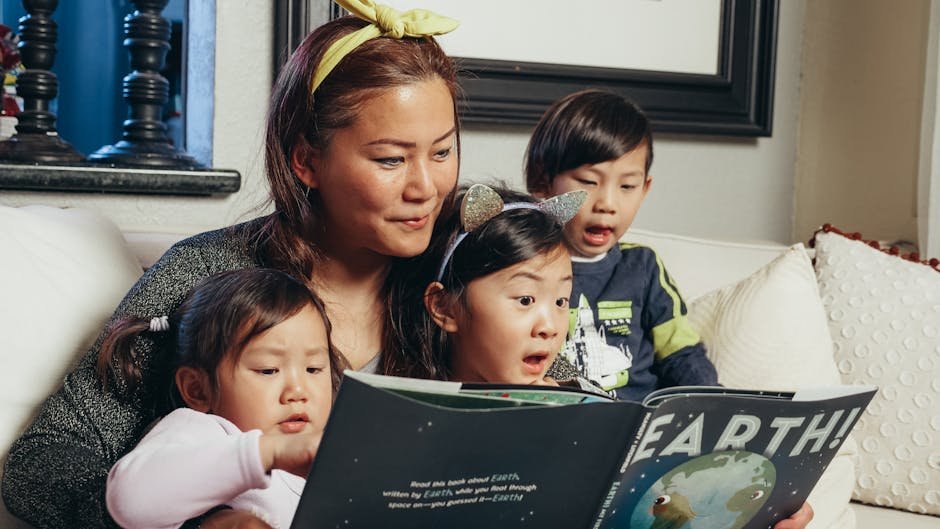
What the study found: Parents in Chinese–German families used translanguaging in different ways during shared reading, and those uses changed with the type of book talk and the reading language.
Why the authors say this matters: The study suggests that these flexible language practices create a dynamic translanguaging space and build a bridge to support children’s multilingual development.
What the researchers tested: The researchers analyzed audio-recorded shared reading interactions from 10 Chinese–German families in Germany using both quantitative and qualitative methods. They examined parental translanguaging in meaning-based and code-based book talk during shared reading.
What worked and what didn't: In meaning-based book talk, translanguaging was used to translate, clarify, invite discussion, connect book content to children’s lives, expand stories, respond to children, and manage reading circumstances. In code-based book talk, it was used mainly to draw attention to sounds and letters and to encourage children to read. During Chinese text reading, parents more often enriched and elaborated story content; during German text reading, translanguaging more often helped overcome linguistic obstacles, sustain comprehension, and maintain interaction.
What to keep in mind: The abstract reports findings from 10 Chinese–German families in Germany. It does not describe additional limitations beyond this sample and setting.
Key points
- Parents used translanguaging differently across meaning-based and code-based book talk.
- In meaning-based talk, translanguaging helped with translation, clarification, discussion, and story expansion.
- In code-based talk, translanguaging mainly drew attention to sounds and letters and encouraged reading.
- Chinese text reading was linked more to story enrichment and elaboration.
- German text reading more often involved overcoming language obstacles and sustaining comprehension.
Disclosure
- Research title:
- Parents use translanguaging differently in Chinese–German shared reading
- Image credit:
- Photo by Kindel Media on Pexels
Get the weekly research newsletter
Stay current with peer-reviewed research without reading academic papers — one filtered digest, every Friday.